Kelp Fertilizer: The
Kelp fertilizer is a natural, organic fertilizer that is made from seaweed. It is a sustainable and environmentally friendly way to improve the health and growth of your plants. Kelp fertilizer contains a wide range of nutrients, including vitamins, minerals, and growth hormones. These nutrients help plants to grow stronger, healthier, and more resistant to pests and diseases.
What is kelp fertilizer?
Kelp fertilizer is made from seaweed, which is a type of algae that grows in the ocean. Seaweed is a natural source of nutrients, including vitamins, minerals, and growth hormones. Kelp fertilizer is extracted from seaweed and then concentrated into a liquid or powder form.
Why use kelp fertilizer?
There are many reasons to use kelp fertilizer. Here are just a few of the benefits:
- Kelp fertilizer is a natural and organic fertilizer. It is safe for use around children and pets, and it does not pollute the environment.
- Kelp fertilizer is a complete fertilizer. It contains a wide range of nutrients that plants need to grow healthy and strong.
- Kelp fertilizer is a slow-release fertilizer. This means that it releases nutrients slowly over time, which helps to prevent nutrient burn.
- Kelp fertilizer can help to improve the health and resistance of plants to pests and diseases.
- Kelp fertilizer can help to increase the yield of fruits and vegetables.
How to use kelp fertilizer
Kelp fertilizer can be used on a variety of plants, including flowers, vegetables, trees, and shrubs. It can be applied to the soil, leaves, or roots of plants.
To apply kelp fertilizer to the soil, simply mix it with water and water your plants as usual. To apply kelp fertilizer to the leaves, dilute it with water and spray it on the leaves of your plants. To apply kelp fertilizer to the roots, mix it with water and soak the roots of your plants.
The amount of kelp fertilizer you need to use will vary depending on the type of plant you are fertilizing and the size of your plants. Always follow the directions on the product label.
Safety precautions
Kelp fertilizer is generally safe to use, but there are a few safety precautions you should take. First, always wear gloves when handling kelp fertilizer. Second, do not get kelp fertilizer in your eyes. If you do, rinse your eyes immediately with water. Third, keep kelp fertilizer out of reach of children and pets.
Conclusion
Kelp fertilizer is a natural, organic fertilizer that can help to improve the health and growth of your plants. It is a safe and effective way to fertilize your plants, and it can help to increase the yield of fruits and vegetables. If you are looking for a natural and environmentally friendly way to fertilize your plants, kelp fertilizer is a great option.
Kelp fertilizer is a natural and sustainable way to boost the growth and health of your plants. It is rich in nutrients, including nitrogen, phosphorus, potassium, and trace minerals, that are essential for plant growth. Kelp fertilizer can also help to improve the soil's structure and drainage, making it easier for plants to absorb nutrients.
If you are looking for a natural and effective way to fertilize your plants, I recommend visiting Home Gardening. They offer a wide variety of kelp fertilizers, as well as other organic gardening products. You can also find helpful information on their website about how to use kelp fertilizer and other organic gardening techniques.
FAQ of kelp fertilizer
- What are the components of kelp fertilizer?
Kelp fertilizer is made from seaweed, which is a type of marine algae. Seaweed contains a variety of nutrients that are beneficial for plants, including nitrogen, potassium, phosphorus, magnesium, and trace minerals. Kelp fertilizer also contains growth hormones and other compounds that can help plants to grow stronger and healthier.
- What are the benefits of using kelp fertilizer?
Kelp fertilizer has a number of benefits over other types of fertilizers. It is a natural and organic fertilizer, so it is safe for the environment and for people. Kelp fertilizer is also slow-release, which means that it releases nutrients over time, so you don't have to fertilize your plants as often. Kelp fertilizer can also help to improve the overall health of your soil, making it more fertile and better able to support plant growth.
- How do I use kelp fertilizer?
Kelp fertilizer can be used on a variety of plants, both indoors and outdoors. It can be applied to the soil, or it can be mixed with water and used as a foliar spray. The amount of kelp fertilizer that you need to use will depend on the type of plant you are fertilizing and the size of your plants. It is always a good idea to start with a small amount of kelp fertilizer and then increase the amount as needed.
- Is kelp fertilizer safe for all plants?
Kelp fertilizer is generally safe for most plants. However, it is important to read the label carefully before using any fertilizer, including kelp fertilizer. Some plants may be more sensitive to kelp fertilizer than others. If you are unsure whether kelp fertilizer is safe for a particular plant, it is best to err on the side of caution and avoid using it.
- Where can I buy kelp fertilizer?
Kelp fertilizer is available at most garden centers and online retailers. You can also find kelp fertilizer at some health food stores.
Image of kelp fertilizer
- A bag of kelp fertilizer with the words "Kelp Meal Fertilizer" printed on it.
- A scoop of kelp fertilizer being added to a potted plant.

- A pile of kelp fertilizer on the ground next to a garden bed.

- A liquid kelp fertilizer being poured into a watering can.
- A spray bottle filled with liquid kelp fertilizer.
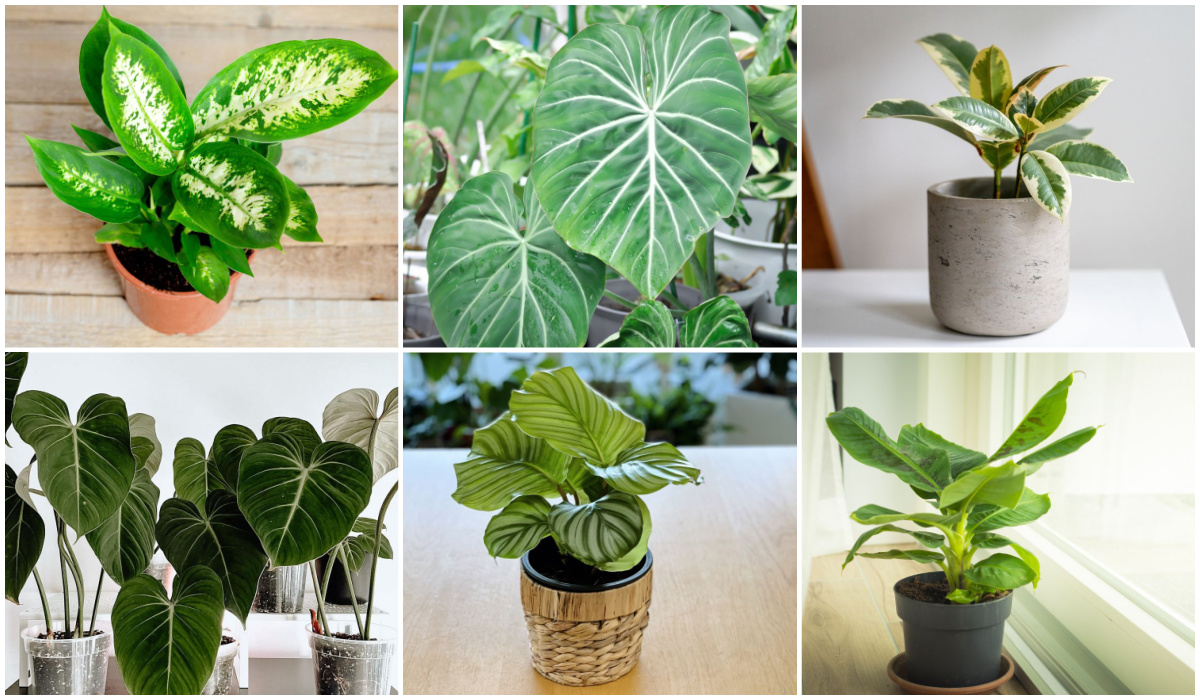
- A plant with healthy green leaves that has been fertilized with kelp fertilizer.
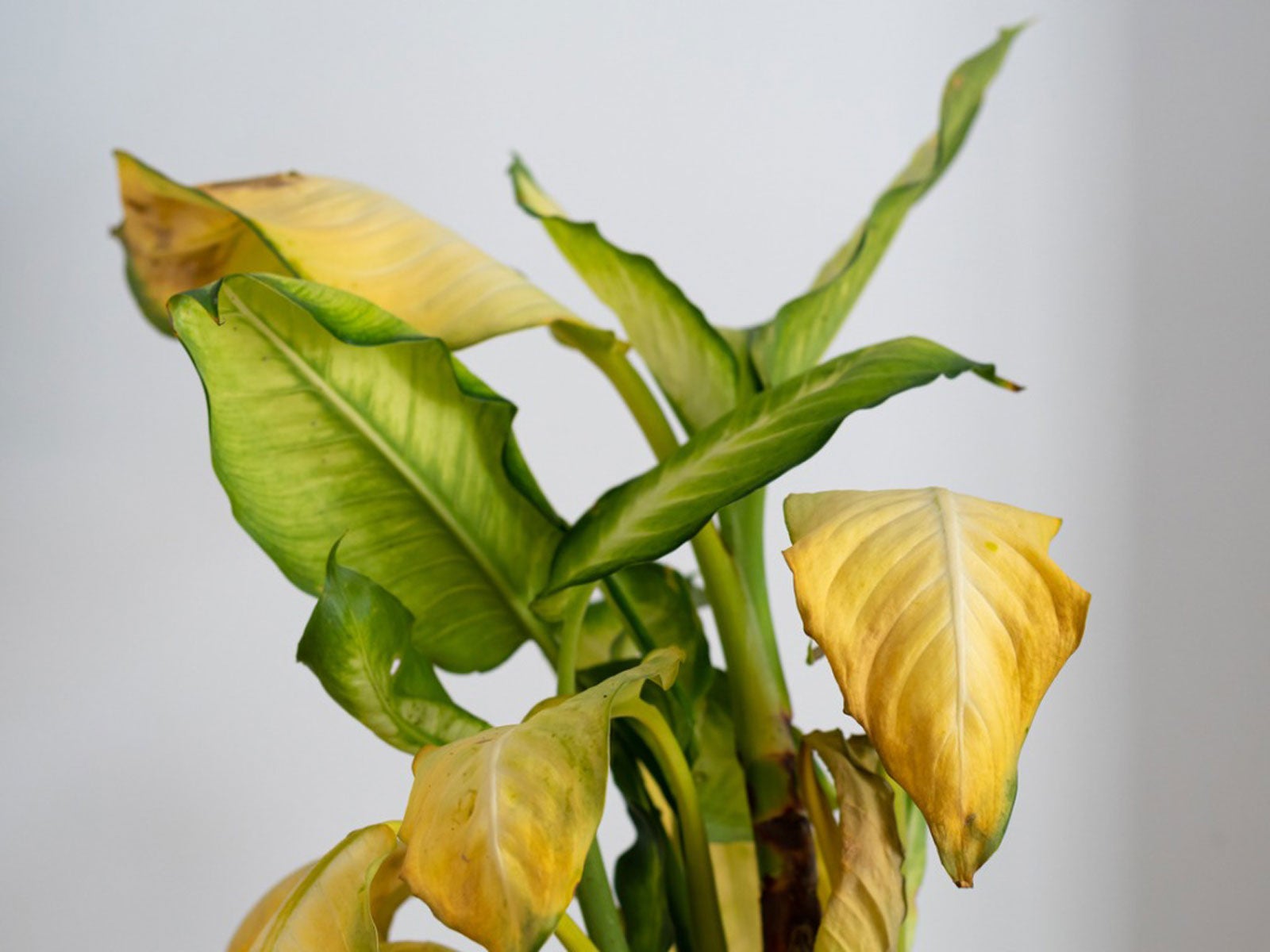
- A plant that is wilting and has yellow leaves that has not been fertilized with kelp fertilizer.
- A sign that says "Kelp Fertilizer: A Natural Way to Improve Your Plants".
- A group of people planting seeds in a garden bed and using kelp fertilizer to enrich the soil.

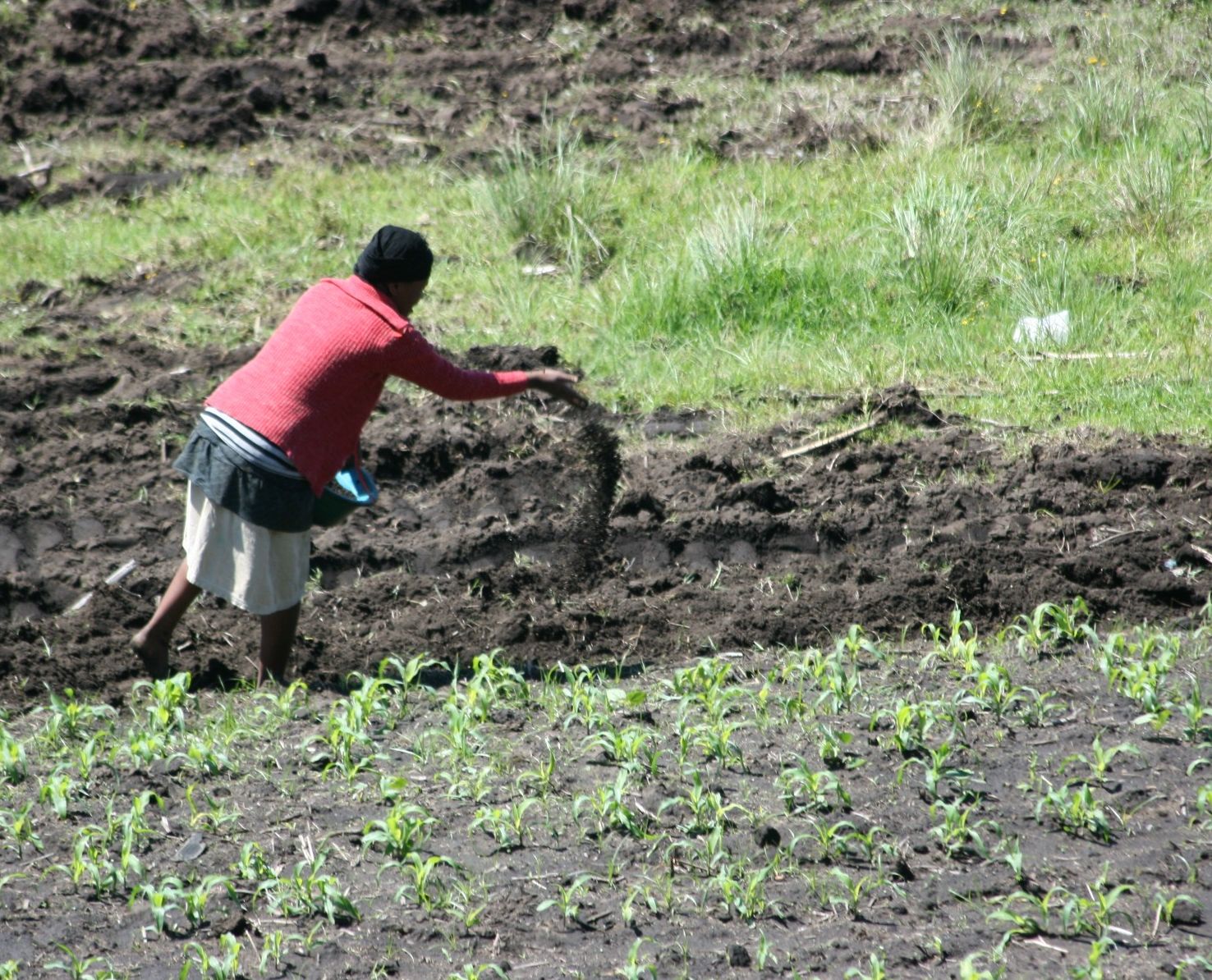
- A farmer spreading kelp fertilizer on a field of crops.


Post a Comment for "Kelp Fertilizer: The"